
The Saint
The Last Party

The Saint 🪩 The Last Party
38 years ago today, The Saint Nightclub began The Last Party—Saturday, April 30 to May 2, 1988—an epic 3-day closing party weekend. Performances by Betty Buckley, Thelma Houston, France Joli, Sharon Redd, Marlena Shaw, Viola Wills, and The Weather Girls. Music by 10+ DJS.
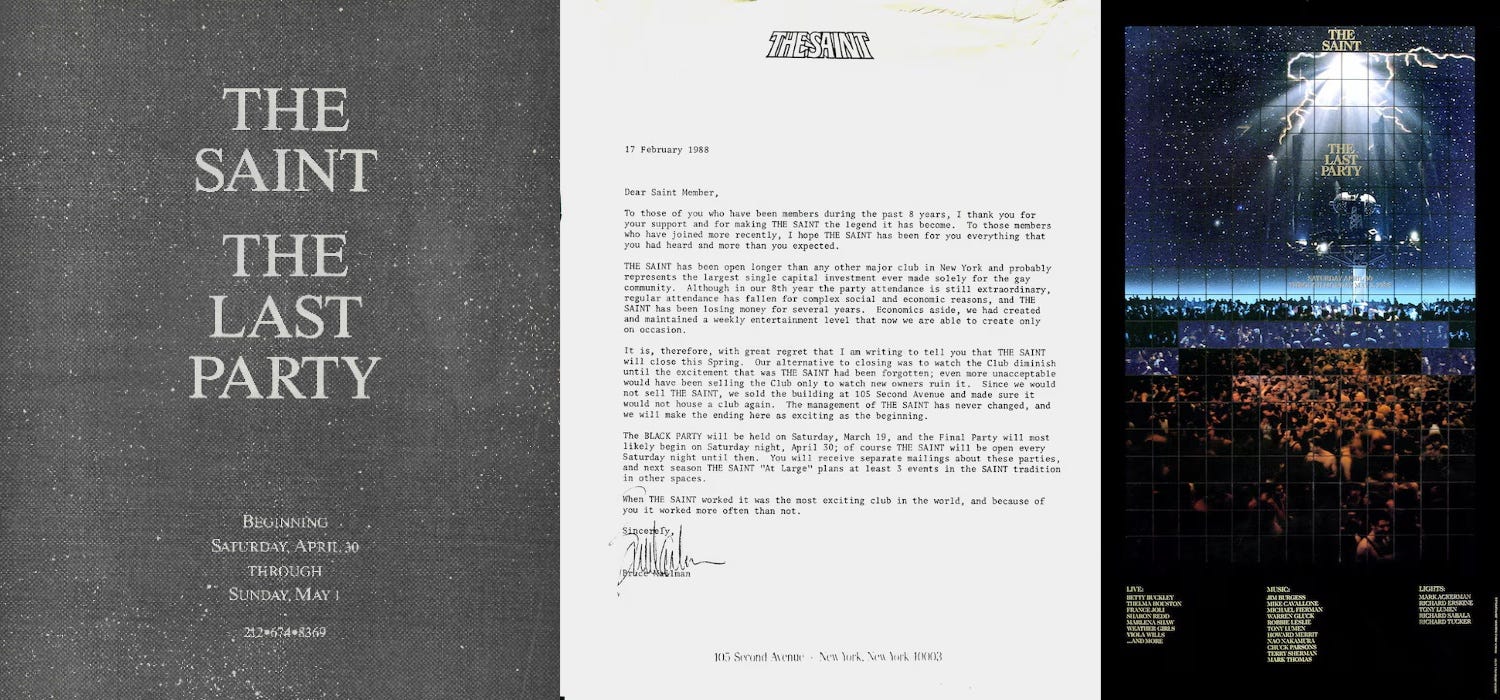
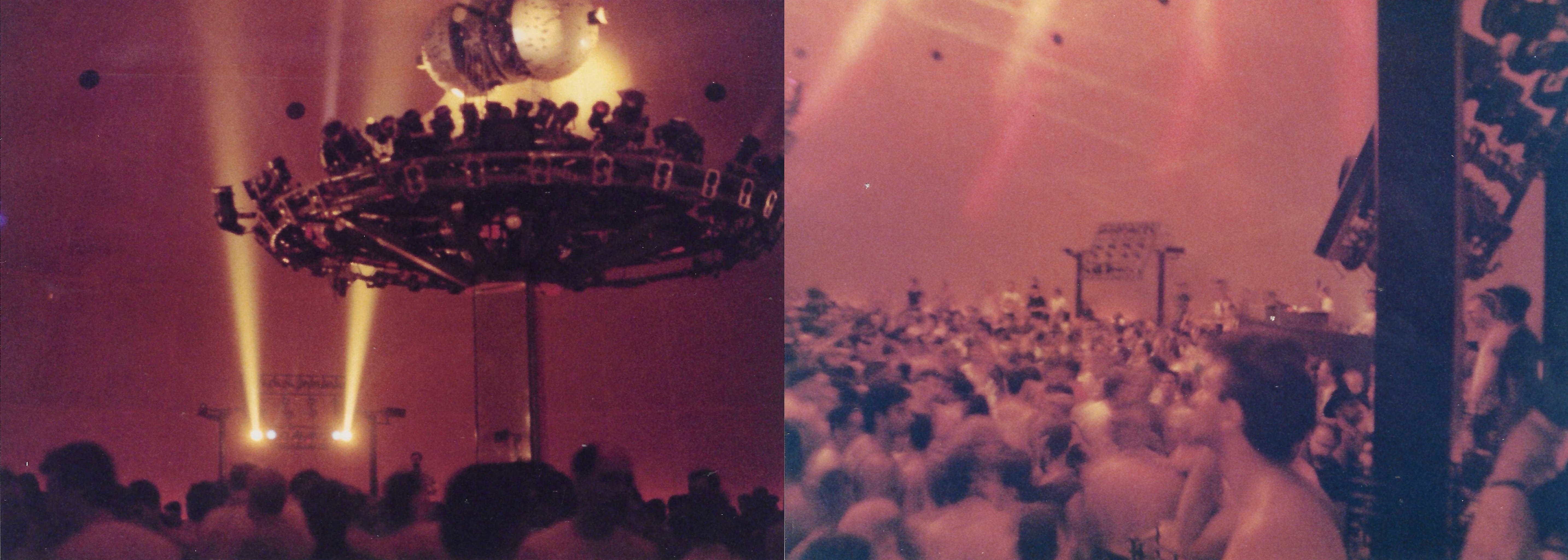
In a special bonus newsletter, I am sharing never before seen photos from inside The Saint recently acquired on eBay by my friend Nick Rice (THANK YOU Nick!)
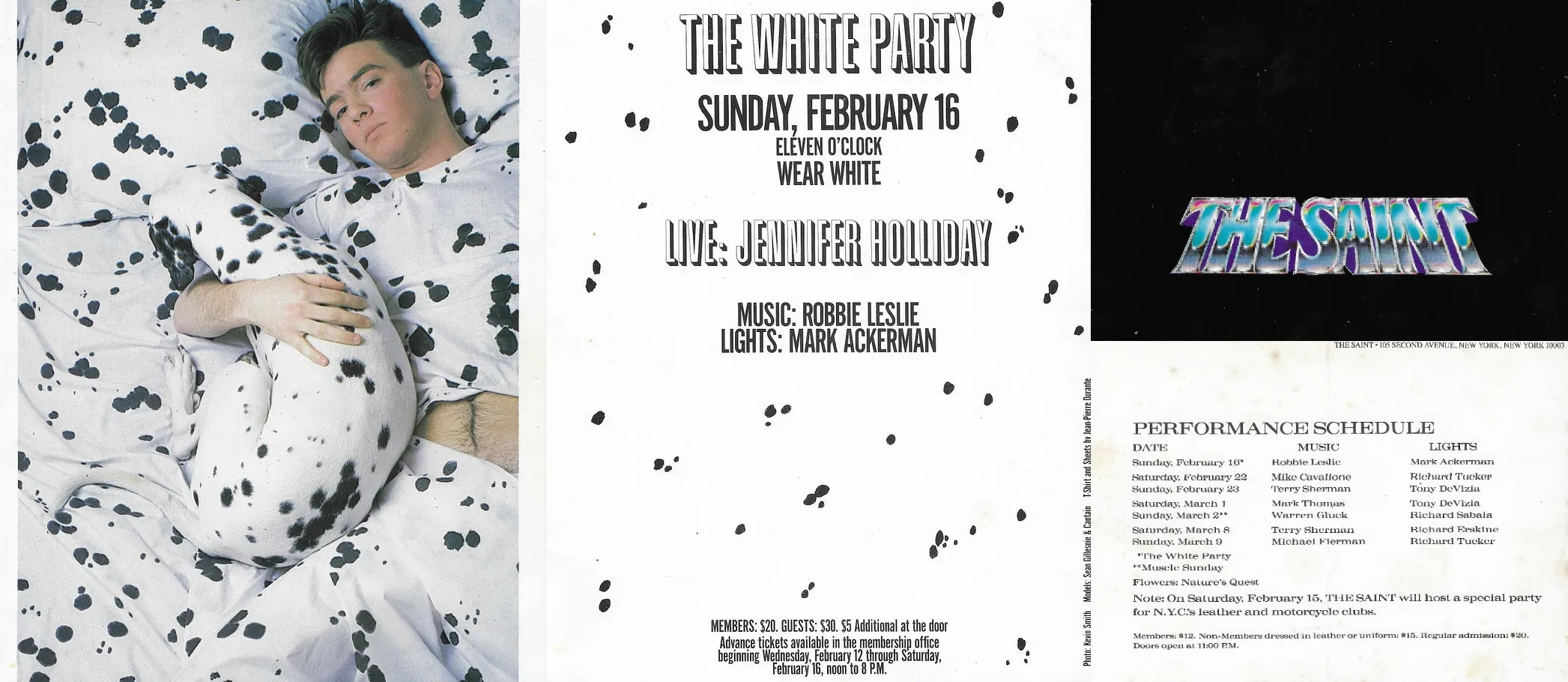
For reference I am also including a full-page ad for The Last Party (from The Advocate, April 12, 1988), the closing announcement by owner Bruce Mailman, as well as some flyers that came with Nick’s photos.
Behind the paywall are two features on THE SAINT by Mandate—one from 1984 and one from 1987 & a Black Party feature from Honcho Magazine 1988 ▽
The following text is pulled from ‘Nightclubbing: New York City’s The Saint’—Read the full article HERE.
“I always feel terrible when I talk to young guys who have no idea what The Saint was like,” says Susan Tomkin, former assistant to the ultimate gay disco’s principal owner Bruce Mailman. “They go to dance clubs that are just little tiny places. The Saint was so spectacular. I can remember the first time I went upstairs into the dome. The star machine was on, and the lights were going. I felt like somebody had sliced off the top of my head, and poured acid in my brain. That’s the only way I could describe it. It was absolutely like another world.”
From September 1980 to May 1988, The Saint defined gay nightlife in New York during its most tumultuous and literally plagued decade. Conceived by off-Broadway impresario Bruce Mailman, who had just scored a runaway success with The New St. Marks Baths, The Saint set such high standards that it soon rendered its competition redundant.
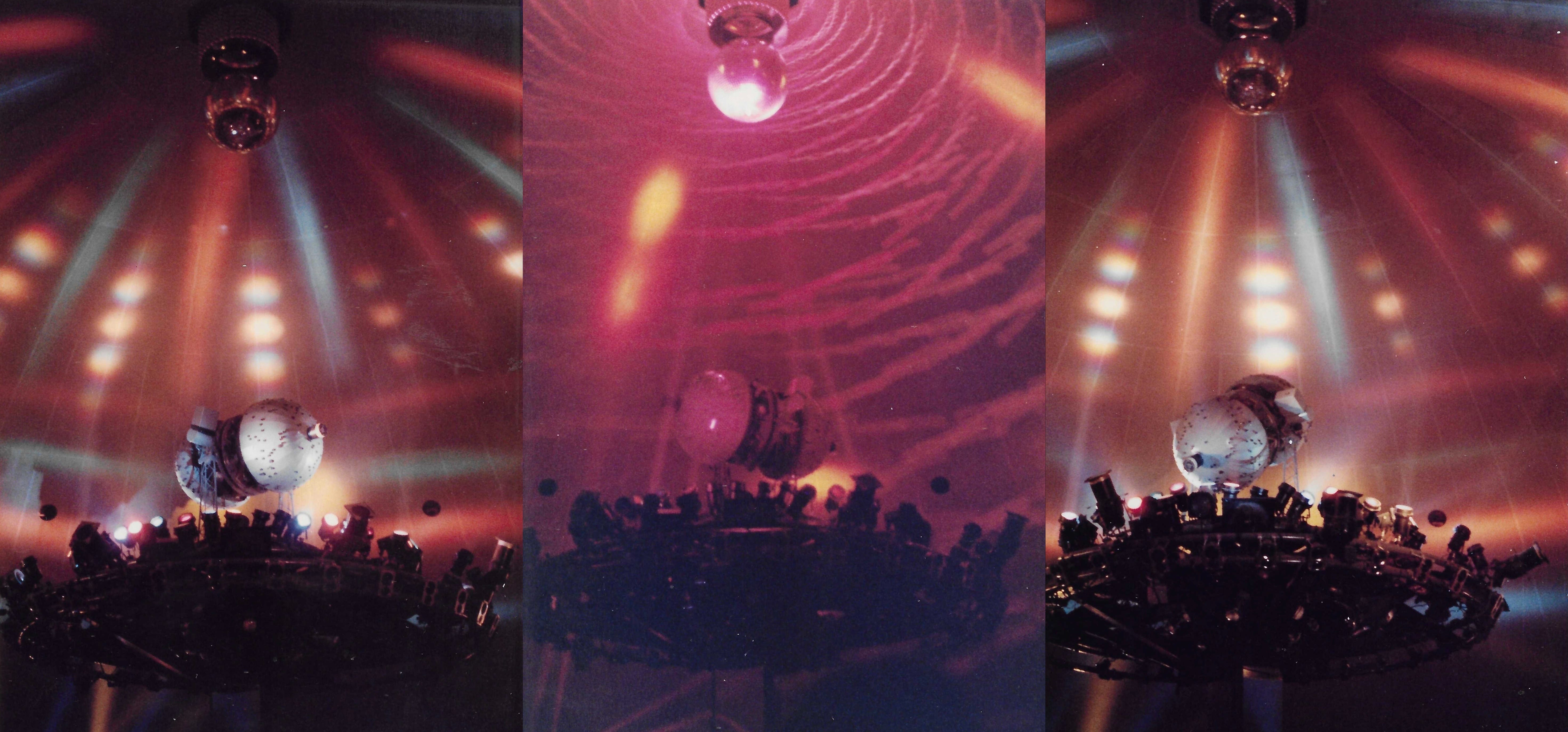
Housed in the three-story former site of the psychedelic rock concert hall Fillmore East, The Saint offered multi-sensory pleasure like no other venue before or since. It featured a circular, 4,800 square foot dance floor topped by an aluminum dome 76 ft. by 38 ft. under which much of the club’s 1,500 lights would shine, as well as constellations from a Spitz Space System projector ten times brighter than one in a typical planetarium. Designed by architect Charles Terrell, The Saint pointedly directed one’s attention skyward. Its experience was clearly meant to be uplifting—visually and otherwise.
The perforated dome hid the last and largest of the revered Graebar sound systems: Powered by 630 drivers and 32 amplifiers, nearly 500 speakers generated 26,000 watts – a figure touted in The Saint’s publicity materials as being “probably the most powerful per square foot for entertainment purposes in existence.” All this splendor ultimately cost $4.6 million in 1980 dollars – well over $13 million in today’s currency.
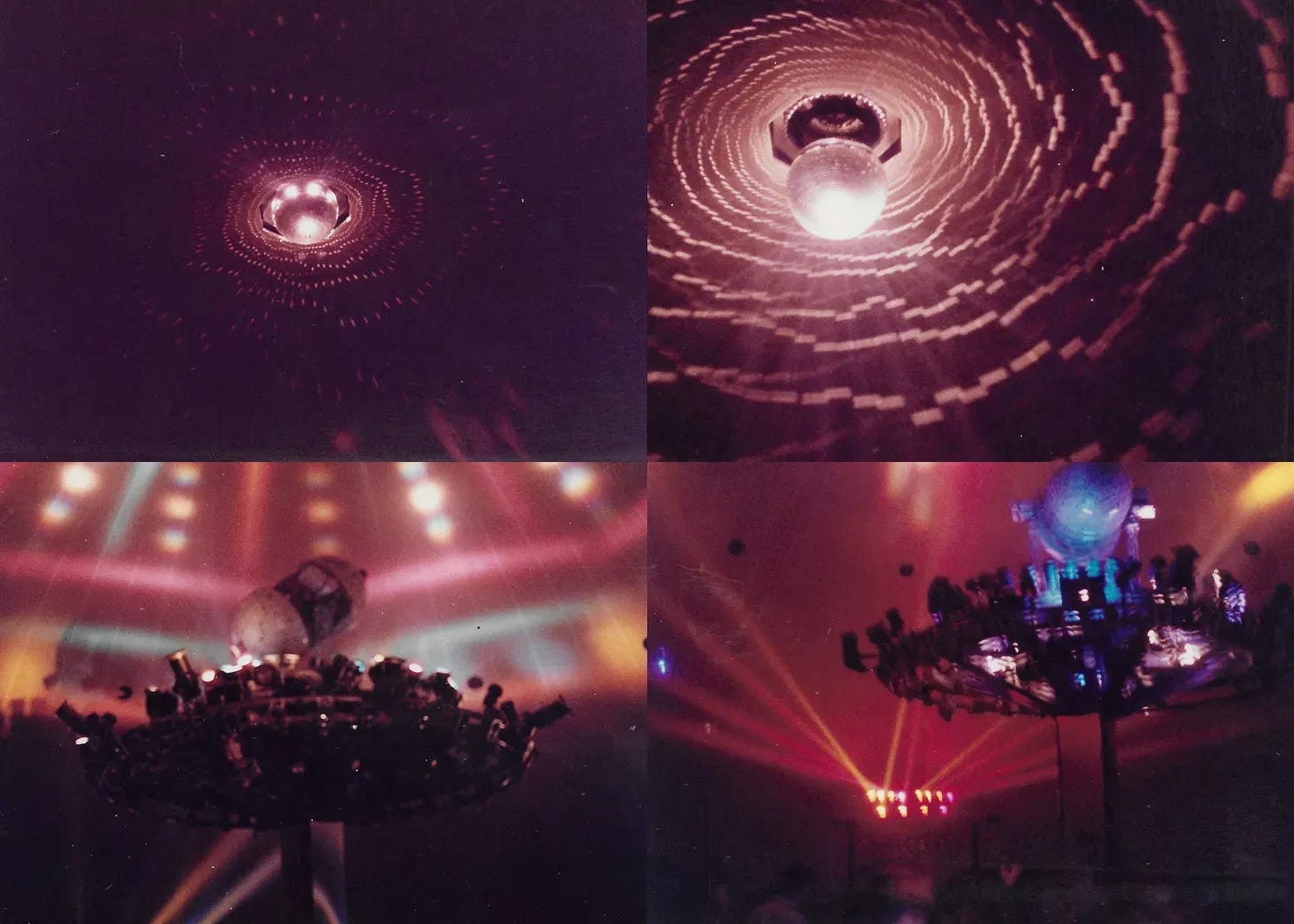
The circular dance floor meant no corners to hide in, no hierarchy, nothing more prominent than anything else. That’s not to say The Saint wasn’t elitist: For its first five years, The Saint was a members-only club that meticulously chose and guarded its clientele. Before the club opened, invitations were sent to Fire Island Pines homes owned by A-list gays who typically danced at Flamingo, The Saint’s similarly exclusive Manhattan predecessor. Membership for them started at $125, then rose to $150 yearly.
Soon after an open house for investors spread word of the venue’s fabulousness, membership closed and a waiting list began, even before the club opened. Membership then was set at $300. The Saturday entrance fee was $12 for members and $20 for their guests; both figures were higher for special events like the famously uninhibited annual Black Party. One had to be recommended by two members just to be eligible for membership; many were turned down.
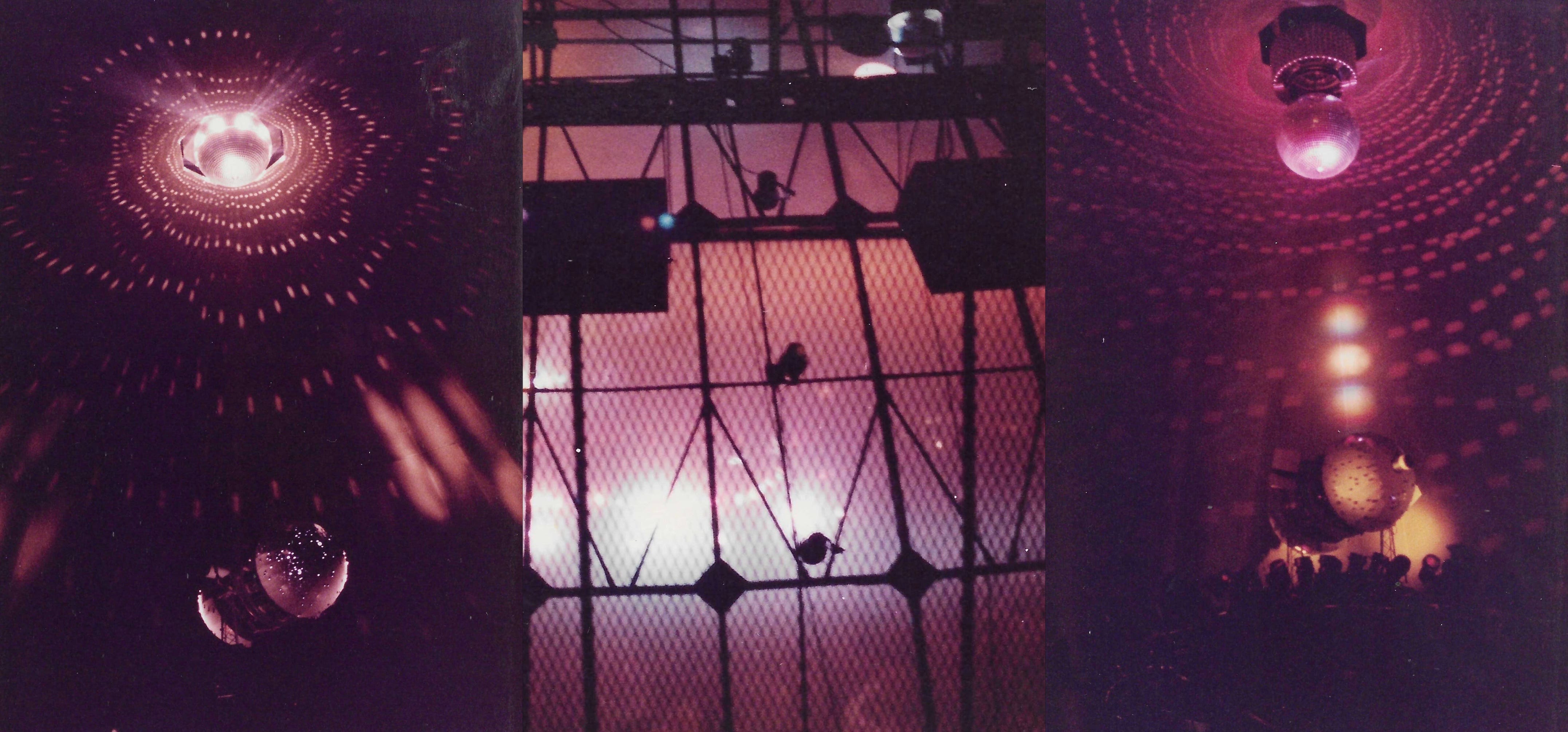
For most of its run, only the club’s very few female members could bring women guests on Saturdays: On a typical Saturday night of 4,000 to 5,000 during the club’s early years, there’d be no more then a dozen women, and they were expected to dress like the guys – absolutely no high heels that could get stuck in the industrial metal stairways. Saint management contracted non-Caucasian talent like Latino DJs George Cadenas and Richie Rivera; black lesbian DJ Sharon White; black lighting man Richard Tucker and Japanese-American DJ Nao Nakamura. But almost everyone who partied at The Saint was white – a fact inescapable when revelers shed shirts in the disco heat.
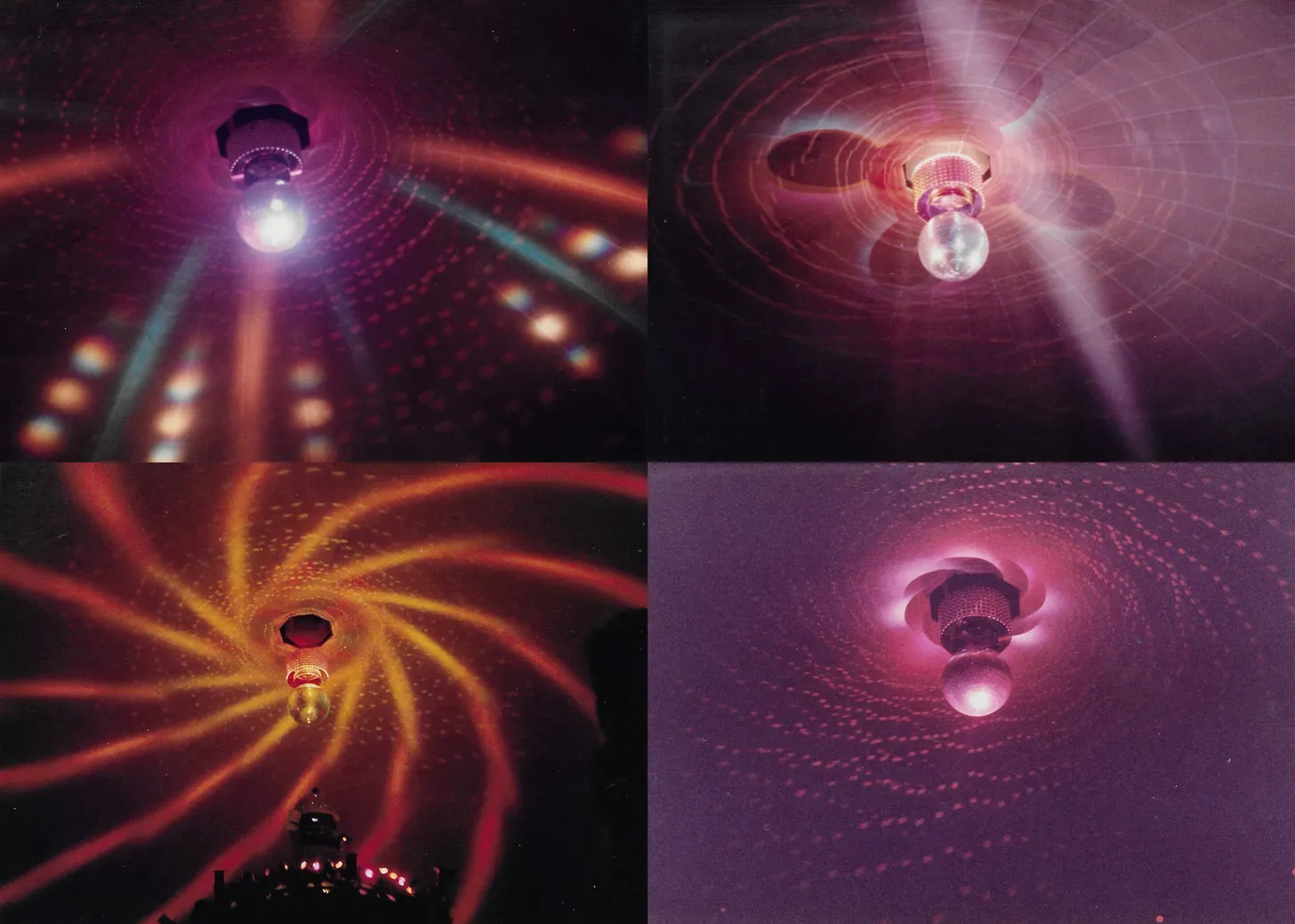
But those it did welcome were united to a degree nearly unimaginable today. This was the final and most extreme iteration of the “clone” era, when gay men made themselves identifiable to each other by a code of masculine presentation – close-cropped hair, trim mustaches, tight T-shirts, faded Levi’s 501s, leather vests or harnesses. When Mailman’s St. Marks Baths brought clones flocking to the East Village, some of the neighborhood’s radical queers weren’t happy. The book Fire in the Belly: The Life and Times of David Wojnarowicz relates a story about future art superstar Keith Haring stenciling “Clones Go Home” on sidewalks leading from the West Side where clones congregated, and signing the warning “FAFH” for the imaginary group Fags Against Facial Hair. While East Village punks and New Romantic dandies flaunted their inner freak, Saint clones conformed, and their knack for precision extended to their drugs. The gay club cognoscenti knew what to take and when to take it, and the night’s music both reflected and reinforced their collective trips.
These synchronized tribal rites were created by the first openly gay generation in one of the few cities in which they were possible. Its arbiters worked in the fashion industry, the arts or a myriad of businesses that addressed their needs via bars, restaurants, barbershops, haberdashers, bookstores and bathhouses. There, among their kind, it was safe to come out. Beyond those haunts, it often wasn’t. Soon Saint membership swelled with attorneys, architects, investors and other closeted professionals. In the earliest ’80s, it was hip in NYC to be homo, and Saint dancers ranked among Manhattan’s handsomest, most talented and well-connected. Their confidence radiated through a community still in need of positive reinforcement: The bigotry of Anita Bryant and the assassination of Harvey Milk were recent memories. Same-sex intimacy had actually been illegal in New York State until 1980.
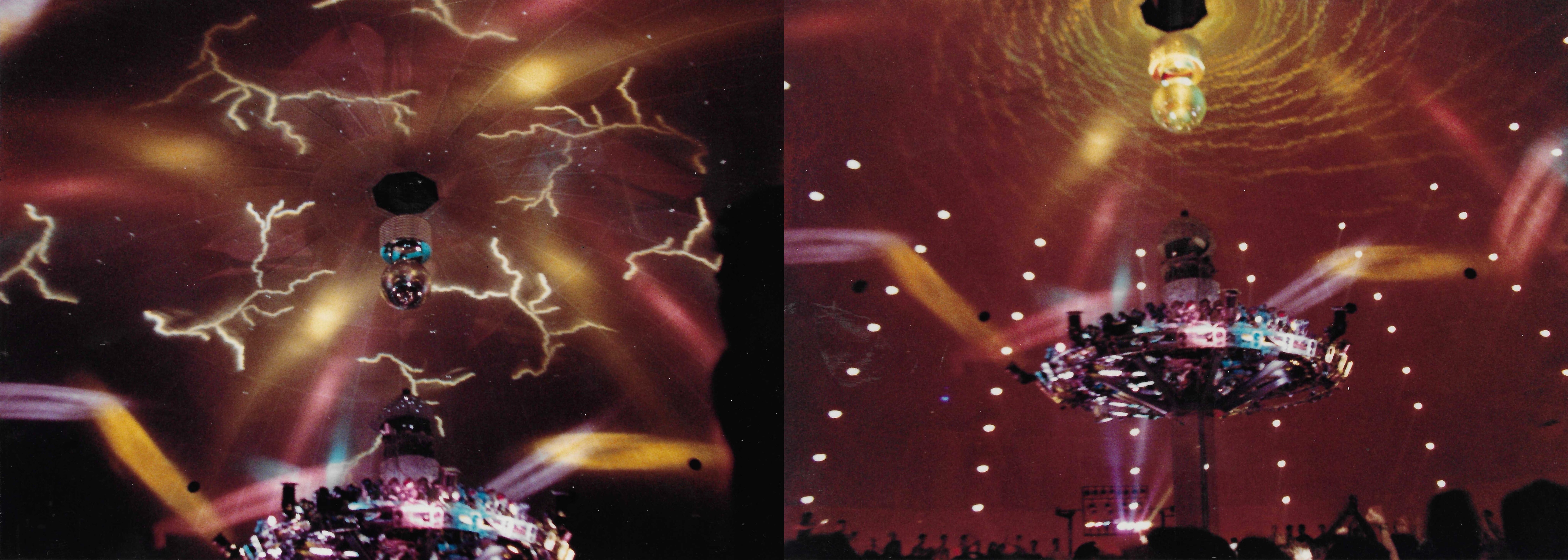
“For those of us who constructed gay culture in the 1970s, there was no blueprint or manual,” explains Felice Picano, one of the decade’s most enduring gay writers. “I went to all the gay discos that preceded, like The Tenth Floor, The Loft, Paradise Garage, 12 West. Flamingo was my club; the same people I knew in Manhattan and slept with at Fire Island were there, and so I was there opening night at The Saint. It was very big, very crowded; the coat check people were overwhelmed, the bar people were overwhelmed. I don’t think we went back until the holidays because it seemed like it was not completely ready.”
𝒜𝓊𝓉𝑜ᴇʀᴏᴛɪᴄᴀ Instagram and Substack curated by Bradley Roberge • 4077A 18th St at Castro • Open Monday-Saturday • (415) 861-5787 • email autoeroticasf@aol.com
GALLERY for PAID SUBSCRIBERS 10 pages
